Photo Safety Cameras and Selective Skepticism of Government Power
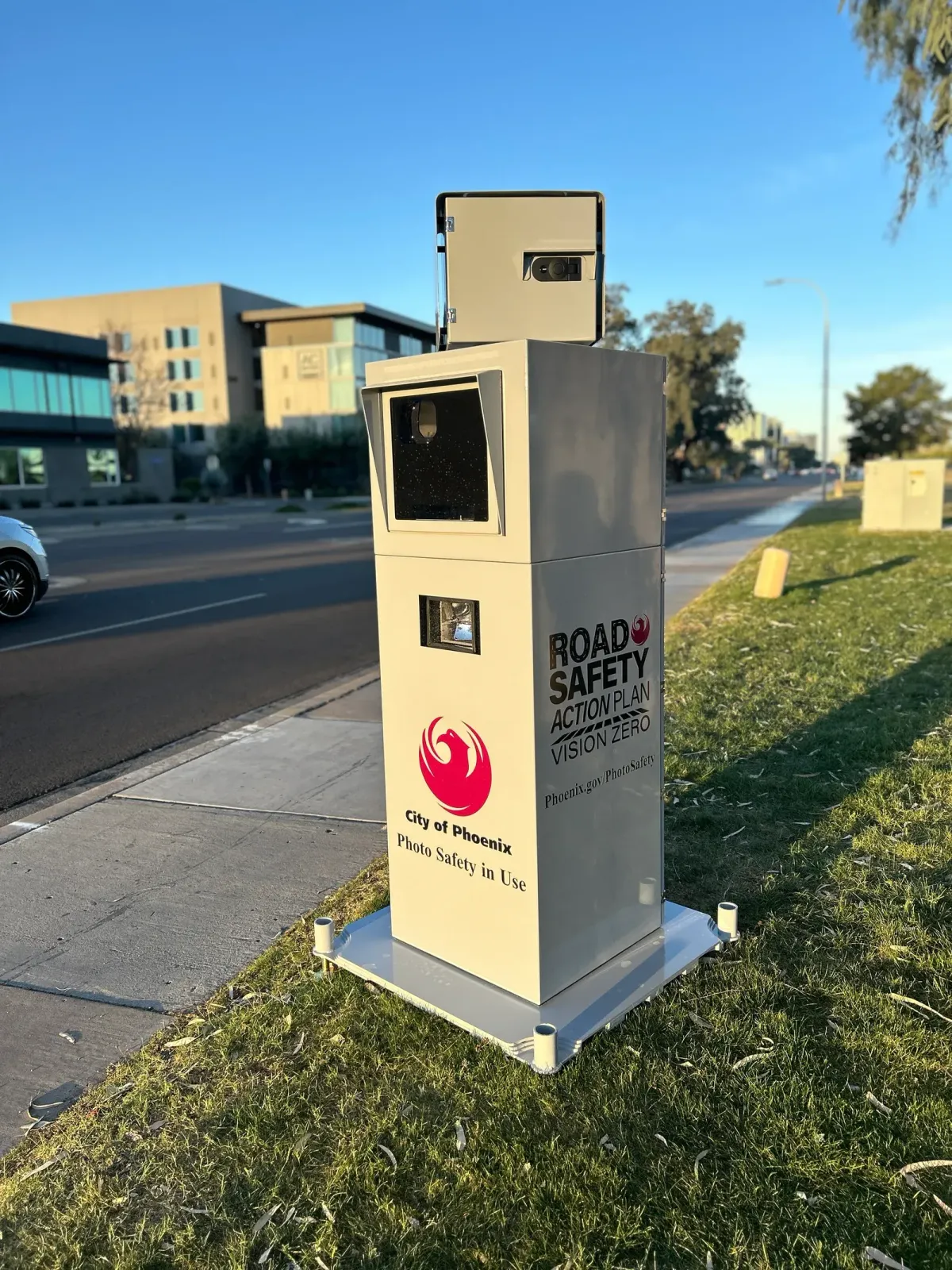
Phoenix's new Photo Safety Program has revived a familiar Arizona argument: traffic cameras represent government overreach. Critics describe automated enforcement as impersonal, invasive, unfair, or fundamentally inferior to having a police officer make the decision.
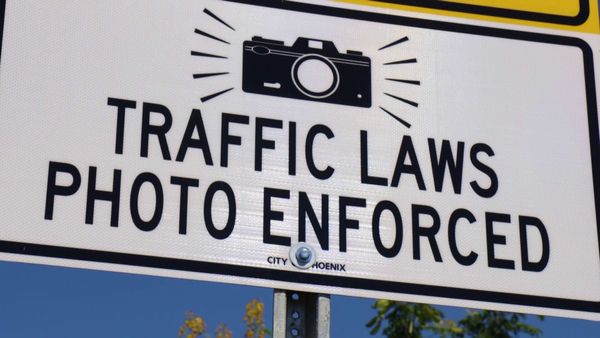
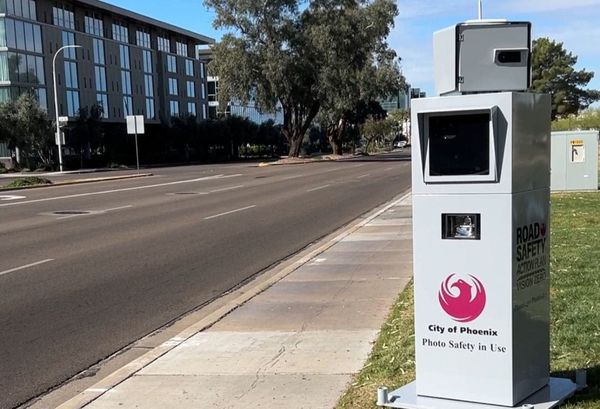
The current Phoenix program uses 17 speed-monitoring cameras, including cameras on high-injury corridors and rotating school-zone locations. Recorded events are not automatically converted into tickets: Phoenix says they are reviewed by police, who determine whether a citation should be issued. During the initial 30-day warning period, nine corridor cameras recorded more than 70,000 speeding events.
Opposition to such systems is legitimate. Automated enforcement raises questions about due process, private contractors, camera placement, accuracy, proportionality of fines, and government surveillance. National polling has long shown that Americans themselves make distinctions: 86 percent of drivers in a NHTSA survey considered speed cameras acceptable in school zones and 84 percent at high-crash locations, but only 35 percent supported their use on all roads.
The more interesting political question is why skepticism toward government power sometimes stops at the patrol-car door.
Arizona's 2026 photo-enforcement ballot measure illustrates the tension. Its official legislative intent says traffic laws should remain in the hands of “trained law enforcement officers,” while warning against private, for-profit enforcement and government revenue generation. Its sponsor, Sen. Wendy Rogers, simultaneously tells voters on her campaign site that she will “always Back the Blue” and supports providing police with more officers and equipment.
That combination is politically revealing. The camera is framed as coercive government; the officer is framed as protection from coercive government.
There are legitimate reasons to value human discretion. An officer can recognize unusual circumstances, exercise mercy, or decide that a warning is more appropriate than a citation. But discretion has another side. Human beings can enforce laws inconsistently, selectively, emotionally, or abusively. A camera cannot exercise compassion, but neither can it decide it dislikes a driver's attitude.
The real question is therefore not whether enforcement is performed by a machine or a person. It is how much power government should possess, how that power is exercised, and what safeguards accompany it.
If automated enforcement deserves vigorous scrutiny, traditional policing deserves it as well. A police officer possesses vastly greater coercive authority than a speed camera. Consistent skepticism of government should therefore demand accountability from both.
The contradiction begins when “government overreach” means a camera issuing a speeding citation, while questioning much broader exercises of police authority is dismissed as failing to “Back the Blue.”