Flock Cameras and the Limits of “Trust the Police”
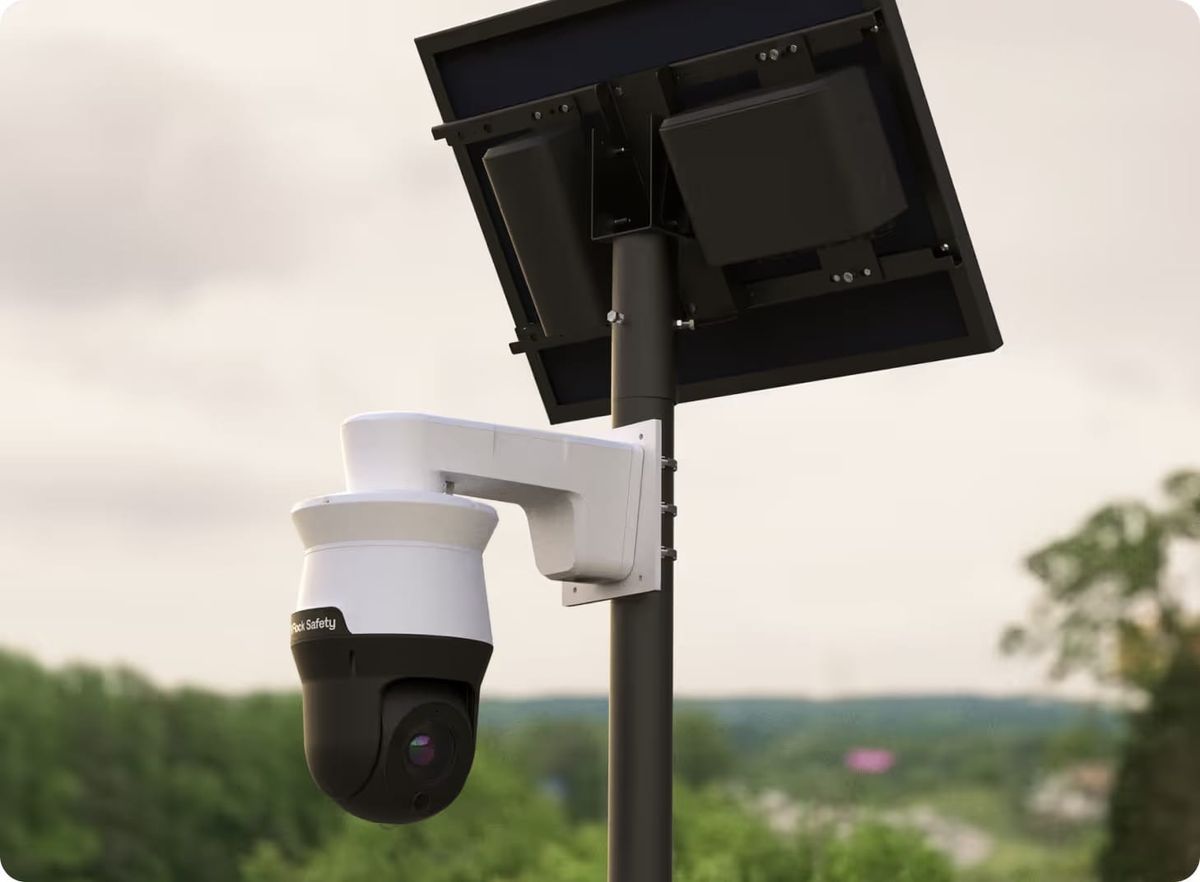
The backlash against Flock Safety cameras exposes an important fault line in the politics of policing. Automated license-plate readers are controversial because they allow law enforcement to search a large database of vehicle movements, potentially reconstructing where people have traveled even when they are not suspected of a crime. But the most compelling argument against Flock is no longer simply that such a system could be abused. It is that police officers have actually abused it.
That has become particularly difficult to ignore in Arizona. Chandler discontinued its 40 fixed Flock cameras after an audit detected unexplained activity. An officer subsequently resigned after admitting that he had used the system to locate a family member for a personal purpose rather than a police investigation. Nationally, a Washington Post investigation has identified at least 69 police officials accused, charged, or convicted of misusing Flock or other license-plate-reader systems, while finding that many departments did not routinely audit searches.
Public reaction in Arizona reflects a remarkably nuanced understanding of that problem. A recent statewide poll found that 51 percent of respondents believed ALPRs help police solve crimes, while 63 percent opposed their use by law enforcement in their communities. Eighty-two percent were concerned about misuse, and the same share supported independent audits and public reporting. In other words, opposition to Flock does not necessarily reflect hostility toward policing or disbelief in the technology's usefulness. People can believe that a tool helps police solve crimes while simultaneously believing that police should not possess unrestricted access to it.
That is precisely where Flock challenges the simplicity of “Back the Blue” rhetoric. At its most superficial, the slogan asks the public to begin from trust: police are the people protecting us, so giving them effective tools is presumed to be beneficial and questioning those tools risks appearing “anti-police.”
Flock demonstrates why democratic oversight cannot operate that way. The problem is not merely the camera. The camera collects information; human beings decide how to use it. The same police discretion frequently invoked as an argument against automated enforcement can itself become the mechanism for surveillance abuse.
Supporting law enforcement therefore cannot reasonably mean trusting every officer with every available investigative power. It should mean giving police tools appropriate to legitimate public-safety needs while surrounding extraordinary capabilities with extraordinary safeguards: narrow permissible uses, short data retention, documented investigative purposes, regular audits, public reporting, and meaningful consequences for misuse.
Flock presents a useful test of whether “small government” and civil-liberties principles are being applied consistently. If government surveillance is dangerous because power can be abused, that concern should not disappear merely because the person operating the surveillance system wears a badge. Scrutinizing that power is not anti-police. It is what responsible oversight of police power requires.